
Renovating a home, office, shop, or commercial property in Dubai involves more than selecting materials and choosing a new interior design. A successful renovation also depends on clear renovation contracts in Dubai between the property owner and the contractor. A successful renovation also depends on having a clear agreement between the property owner and the contractor. Without proper documentation, misunderstandings about the work, additional costs, payment schedules, and completion dates can affect the entire project.

Understanding renovation contracts in Dubai helps property owners make informed decisions before construction begins. A well-prepared contract establishes what the contractor will deliver, how changes will be handled, when payments are due, and what responsibilities each party must fulfil.
Whether you are planning a residential renovation or a commercial fit-out, understanding these essential contract terms can help you manage your budget, reduce disputes, and keep the project organised.
Table of Contents
1. What Are Renovation Contracts in Dubai?
A renovation contract is a formal agreement between a client and a contractor that defines how the renovation work will be carried out and the terms both parties must follow.
. It records the agreed scope, pricing, responsibilities, project schedule, payment arrangements, and procedures for managing changes.
For example, renovating an office may involve removing existing partitions, installing new flooring, modifying lighting, upgrading selected MEP systems, and adding workstations. If these items are not clearly described in the contract, the client and contractor may have different expectations about what is included in the quoted price.
A properly prepared contract helps both parties understand their obligations from the beginning. It also provides a reference point if questions arise during the project.
Before signing, clients should review the agreement carefully and ensure that the written terms reflect the actual discussions, approved drawings, quotation, and project requirements.
2. Scope of Work: Define Exactly What Is Included
The scope of work is a key part of any renovation contract in Dubai, as it explains which tasks the contractor is responsible for completing.
It describes the work the contractor is expected to complete and establishes the boundaries of the agreed project.
A vague scope can lead to disagreements, particularly when clients assume that certain activities are included in the price while the contractor considers them additional work.
A detailed scope should identify the following elements.
Materials and Finishes
Specify the expected materials, finishes, product quality, and relevant specifications. For example, a flooring description should provide sufficient information to identify the agreed flooring type rather than simply stating that new flooring will be installed.
Where appropriate, product references, samples, technical specifications, and approved material schedules can help prevent confusion.
Labour and Installation
Clarify the installation activities covered by the contract, including relevant preparation, fitting, finishing, and associated work. The agreement should make clear which activities are included and which are excluded.
Drawings and Technical Work
Identify the drawings, layouts, and technical documentation that form part of the agreement. Depending on the project, these may include architectural layouts, lighting plans, or mechanical, electrical, and plumbing (MEP) drawings.
The parties should establish how revisions to approved drawings will be managed.
Inclusions and Exclusions
A quotation should clearly state what is included in the agreed price and what is not.
For example, a renovation proposal may include painting and flooring but exclude loose furniture, specialist equipment, or additional work required because of concealed existing conditions.
Practical tip: Before signing, compare the contract scope with the quotation and approved drawings. Ask for clarification if any item is missing, unclear, or described too generally.
3. Variation Orders: How to Manage Changes During Renovation
Changes are common during renovation projects. A client may decide to change the flooring, add a partition, upgrade lighting, or modify an existing layout after the work has started.
These changes are generally referred to as variations. A variation may affect the contract price, the project schedule, the required materials, or the sequence of construction activities.
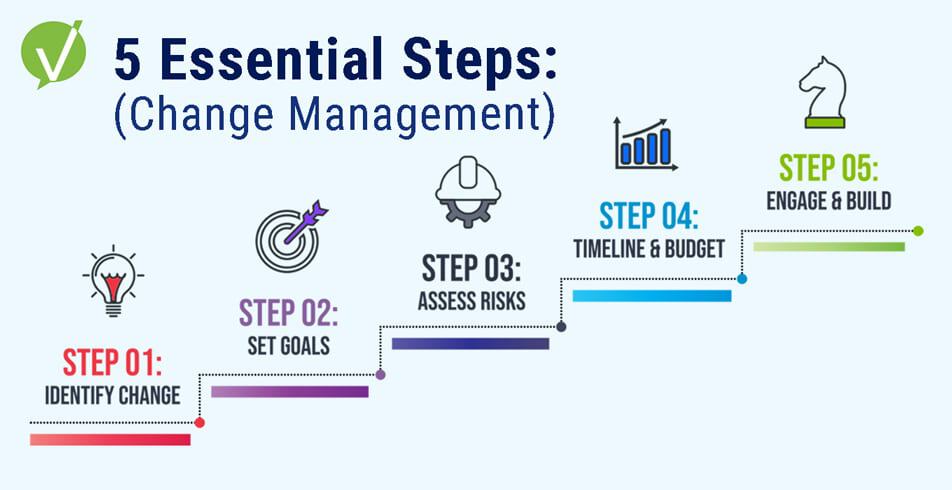
A clear variation procedure helps both parties manage these changes without unnecessary confusion.
Why Do Variations Occur?
Variations can arise for several reasons:
- The client requests a design change after approving the original drawings.
- The selected material becomes unavailable and an alternative is proposed.
- An existing condition is discovered after removal or demolition work.
- Additional work is identified during technical coordination.
- The client requests improvements that were not part of the original scope.
Not every change should automatically be treated in the same way. The contract should explain how different types of changes are assessed and approved.
What Should a Variation Order Include?
A written variation order should describe the proposed change and explain its impact on the original agreement. Depending on the circumstances, it should record:
- A clear description of the additional, revised, or omitted work.
- The reason for the change.
- The additional cost or credit, where applicable.
- Any effect on the completion date or project milestones.
- Relevant revised drawings or specifications.
- Approval from the authorised representatives of both parties.
For instance, a client may first choose standard office partitions but later decide to install soundproof partitions in the meeting rooms.
The contractor should document the revised specification, the price difference, any additional installation requirements, and the effect on the schedule before proceeding.
This process allows the client to understand the financial and practical consequences of the requested change.
Avoid Verbal Changes Without Documentation
Discussing a change verbally may be convenient, but it can create uncertainty later. The client may remember one price, while the contractor may have understood something different.
It is better to document the proposed variation and obtain the approvals required by the contract before the additional work begins. Any urgent situation should be handled according to the agreed contractual procedure.
4. Payment Terms and Schedule
Payment terms explain when the client must pay, how much is due, and what conditions apply to each paymentAll conditions should be clearly discussed and confirmed before starting the renovation work.
A clearly documented payment schedule helps the client plan cash flow and gives the contractor a defined basis for requesting payment.
Advance Payment
Some contracts require an initial payment before work starts. This may help cover mobilisation, initial procurement, or other agreed project expenses.
The contract should state the advance amount or percentage, when it becomes due, and how it will be treated in later payments, if applicable.
Clients should understand the terms before transferring money and ensure that payment requests correspond to the signed agreement.
Milestone Payments
Milestone payments are linked to defined stages of the project. Depending on the agreed arrangement, these could include completion of demolition, installation of partitions, completion of specified MEP works, or finishing activities.
Each milestone should be described clearly enough for both parties to understand when the payment becomes due. The agreement should also explain how completion is confirmed and how any outstanding work is recorded.
Final Payment
The contract should define the conditions for the final payment. These may relate to substantial completion, agreed inspections, correction of identified defects, handover documents, or other contractual requirements.
Clients should understand what must happen before the final amount becomes payable. Contractors should likewise know what documentation or completion requirements they are expected to provide.
Late Payments and Payment Disputes
The agreement should explain the process for issuing invoices, reviewing payment applications, raising objections, and resolving disagreements. Any applicable late-payment provisions should be clearly written and reviewed before signing.
There is no single payment percentage or schedule that suits every renovation project. Payment arrangements should reflect the project scope, procurement needs, commercial agreement, and applicable legal requirements.
5. Project Timeline, Delays and Completion Dates
A renovation contract should establish a realistic programme for completing the work. A clear schedule helps clients coordinate their business activities, property access, furniture deliveries, and planned occupation.
The programme may identify the anticipated start date, key milestones, expected completion date, and dependencies between different activities.
However, renovation timelines can be affected by circumstances such as delayed material deliveries, changes requested by the client, unexpected site conditions, restricted working hours, or pending approvals.
The contract should explain how delays are communicated, how schedule changes are assessed, and which procedures apply when a delay occurs.
For commercial properties in Dubai, building access rules and permitted working hours may also influence the programme. These requirements should be checked during planning rather than after the contractor has mobilised.
If a change affects the completion date, the parties should document the revised programme and any agreed adjustments.
6. Approvals, Permits and Responsibilities
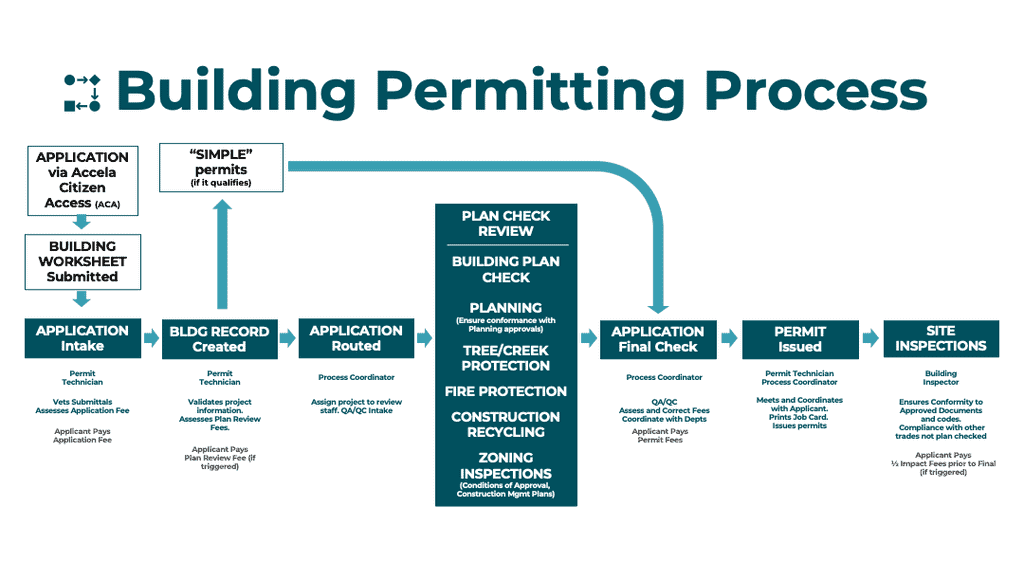
Some renovation works require approvals, permits, or no-objection confirmations, depending on the property, the proposed modifications, and the relevant authority or building management requirements.
The contract should identify who is responsible for preparing documentation, coordinating submissions, obtaining necessary permissions, and arranging inspections where applicable.
For example, a project involving layout changes or modifications to building services may have different requirements from a project limited to minor decorative improvements.
Clients should not assume that every renovation requires the same approvals. The requirements should be confirmed for the specific premises and scope of work before construction starts.
The agreement should also clarify whether related consultant fees, submission charges, or other approval-related expenses are included in the quoted price or treated separately.
Clear allocation of responsibilities helps prevent misunderstandings about delays, additional costs, and the documents needed to proceed.
7. Common Mistakes to Avoid When Signing a Renovation Contract
Even a well-designed renovation project can encounter problems when the contract is incomplete or unclear. Reviewing the following points before signing can help reduce avoidable risks.
Accepting a vague quotation: Descriptions such as “complete renovation” may not explain the actual work included. Request a detailed scope and specifications.
Ignoring exclusions: Check whether furniture, equipment, specialist installations, disposal, or approval-related costs are excluded.
Approving changes informally: Ensure that variations are recorded and authorised according to the contract.
Overlooking the payment schedule: Confirm the amount, due date, and conditions associated with each payment.
Assuming all delays are handled automatically: Read the provisions covering extensions of time, notifications, and changes to the completion date.
Failing to document decisions: Keep copies of approved drawings, material selections, variations, invoices, and relevant project communications.
Signing without understanding the terms: Ask for clarification on unclear clauses before agreeing to the contract. For significant projects or complicated contractual arrangements, consider obtaining independent professional legal advice.
8. How to Choose a Renovation Contractor in Dubai
Choosing a suitable contractor is as important as preparing a clear contract. The contractor should understand the project requirements, explain the proposed scope, and communicate how the work will be managed.
Start by reviewing relevant experience and examples of comparable projects. Ask for a written quotation that identifies the work included, material specifications, exclusions, payment milestones, and estimated programme.
It is also useful to understand who will coordinate technical drawings, subcontractors, site activities, required approvals, inspections, and handover documentation.
Before signing, confirm that the contractor’s proposal matches your expectations and that any assumptions have been addressed in writing.
A professional working relationship depends on clear communication from both sides. Clients should provide timely decisions and accurate requirements, while contractors should explain progress, identify potential issues, and document changes through the agreed process.
9. Why Clear Contracts Matter for Construction Projects
Renovation contracts in Dubai are not simply documents to sign before work begins.” to sign before work begins. It is a practical reference that supports communication and decision-making throughout the project.

A clearly defined scope reduces uncertainty about deliverables. A documented variation procedure helps manage changes. Transparent payment terms provide a shared understanding of financial obligations. A realistic programme helps both parties coordinate their responsibilities.
These elements work together to create a more organised project environment and make it easier to identify issues before they develop into larger disagreements.
For property owners and businesses planning renovation or fit-out work in Dubai, taking time to review these details can make the entire process easier to manage.
Planning a construction or fit-out project in Dubai?
Contact Silver Crown Building Contracting LLC to discuss your project requirements and explore the next steps for your space.
Website: https://scbc.ae/
Phone: +971 55 105 7166
Frequently Asked Questions
What should a renovation contract include?
A renovation contract should generally cover the scope of work, materials, pricing, exclusions, payment schedule, project timeline, variation procedure, responsibilities, and applicable completion and handover requirements.
Can the scope of work be changed after signing?
Changes may be possible, subject to the contract and any applicable requirements. The proposed change, cost implications, and schedule impact should be documented and approved according to the agreed procedure.
How are renovation payments usually arranged?
Payment arrangements vary by project. They may include an advance payment, payments linked to defined milestones, and a final payment subject to the agreed contractual conditions.
Why are written variation orders important?
They provide a record of the requested change, its cost, any effect on the timeline, and the parties’ approval. This reduces uncertainty about what was agreed.
Should I review renovation contracts in Dubai before signing?
Yes. Review the scope, exclusions, payment conditions, variation process, timeline, and responsibilities carefully. Seek independent legal advice when the terms are unclear or the project involves significant contractual risk.
Conclusion
Understanding renovation contracts in Dubai is an important step before beginning any residential or commercial renovation. The scope of work defines what will be delivered, variation orders provide a structured way to manage changes, and payment terms clarify the financial responsibilities of both parties.
By reviewing the agreement carefully, documenting decisions, confirming relevant approvals, and choosing a suitable contractor, property owners can approach renovation projects with greater clarity and confidence.
Planning a renovation or fit-out project in Dubai? Contact Silver Crown Building Contracting LLC to discuss your project requirements and explore the services relevant to your property. If you any services, Contact us:
Website: https://scbc.ae/
Phone: +971 55 105 7166